Which Finger Should I Wear My Wedding Ring And Engagement Ring On?
February 20, 2026

Key Takeaways
- The traditional wedding ring finger in Singapore is the fourth finger of the left hand, following Western customs.
- Engagement and wedding rings are typically stacked on the same finger, with the wedding band placed closer to the palm.
- Cultural traditions vary, some Chinese and Indian customs use the right hand, but most modern Singaporean couples follow left-hand placement.
- Ring placement today is flexible and often based on comfort, lifestyle, or personal meaning rather than strict tradition.
- There is no legal rule in Singapore about which finger to wear your wedding ring on; couples are free to choose what suits them best.
Choosing the right wedding ring finger may seem straightforward, until you realise how many traditions, cultural nuances and modern preferences are involved.
In Singapore, where East meets West in everyday life, ring-wearing customs reflect a blend of Western influence, Chinese heritage, Indian traditions and contemporary personal style. So which finger should you actually wear your wedding ring and engagement ring on? And what do most couples in Singapore do today?
Here’s a clear, culturally grounded guide to help you decide.
Table of Contents
Which Is the Traditional Wedding Ring Finger?
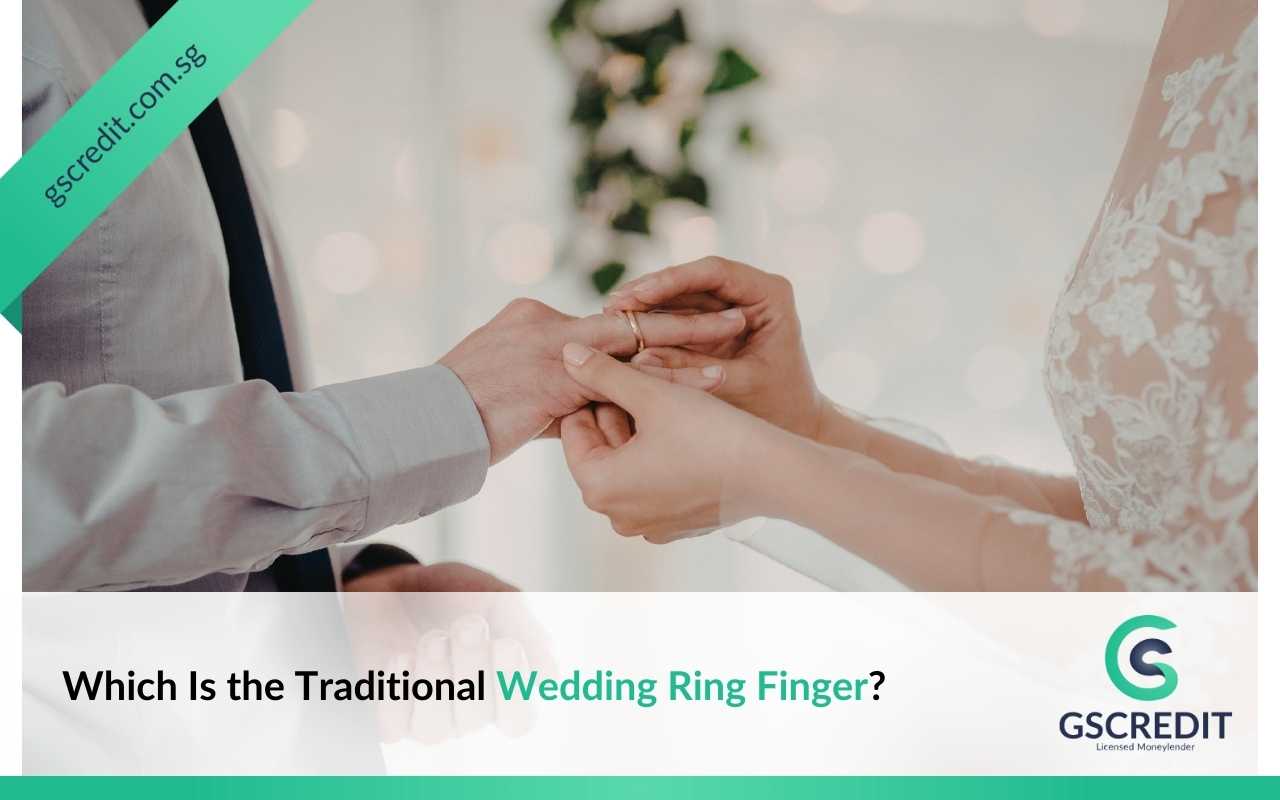
Short answer: In most Western-influenced cultures, including Singapore, the wedding ring is worn on the fourth finger of the left hand.
The Origins of the Wedding Ring Finger
The tradition dates back to ancient Rome. Romans believed the vena amoris, the “vein of love”, ran directly from the fourth finger to the heart. While modern anatomy disproves this, the symbolism endured.
Over time, this belief shaped the Western custom of wearing the wedding ring on the left-hand ring finger, a tradition that spread globally through European influence.
Today, the fourth finger of the left hand is commonly referred to as the wedding ring finger in many English-speaking societies.
Cultural Differences: Where Different Traditions Wear Their Rings
Not all cultures follow the left-hand rule. In fact, ring placement varies significantly depending on religious, historical and symbolic beliefs.
Looking for Reliable Financial Solutions?
Fill in the form and our team will respond as soon as possible.
Wedding Ring Finger by Culture
| Culture / Country | Engagement Ring | Wedding Ring | Notes |
|---|---|---|---|
| Western (US, UK, Australia) | Left hand, 4th finger | Left hand, 4th finger | Based on Roman tradition |
| Singapore, modern practice | Usually left hand | Usually left hand | Western influence dominant |
| Chinese tradition | Varies | Often right hand, traditional belief | Symbolism tied to family roles |
| Indian tradition | Often right hand | Often right hand | Right hand considered auspicious |
| Germany, Russia, Norway | Left during engagement | Right after marriage | Religious and cultural reasons |
Western Traditions
In most Western countries, both engagement and wedding rings are worn on the fourth finger of the left hand.
During the wedding ceremony, some brides temporarily move their engagement ring to the right hand so the wedding band can be placed closer to the heart. After the ceremony, the engagement ring is typically stacked on top.
This stacked arrangement remains the most common practice in Singapore today.
Chinese Traditions
Traditional Chinese beliefs associate different fingers with family roles:
- Thumb: parents
- Index: siblings
- Middle: self
- Ring: spouse
- Little: children
While modern Chinese couples increasingly adopt Western ring customs, some traditional families prefer the right hand for marriage to symbolise balance, reflecting yin and yang principles.
In Singapore’s Chinese community, however, most couples today wear their wedding rings on the left hand due to global influence.
Indian Traditions
In many Indian traditions, the right hand is considered auspicious and is traditionally used for ceremonies and blessings. As such, wedding rings are often worn on the right hand.
That said, contemporary Indian couples, particularly in cosmopolitan cities like Singapore, increasingly follow Western ring placement.
What Do Most Couples in Singapore Do Today?
Short answer: Most couples in Singapore wear both engagement and wedding rings on the fourth finger of the left hand.
However, modern practice is far more flexible than tradition suggests.
Singapore’s multicultural landscape means couples often follow Western custom for practicality and global familiarity, blend traditions, such as solemnisation rings on the left and traditional ceremony rings on the right, or choose based on comfort or occupation.
In other words, there is no single “correct” wedding ring finger in Singapore today, only what feels meaningful to you.
Modern Practice vs Tradition: Does It Matter?
Traditionally, the wedding band sits closest to the heart, with the engagement ring stacked above it. Symbolically, this represents the wedding vow sealing the commitment.
But modern couples increasingly prioritise comfort, especially for hands-on professions, ring design compatibility, metal matching and personal identity.
Some even wear their engagement ring daily and reserve the wedding band for special occasions.
The shift reflects broader societal changes, marriage remains symbolic, but couples now define meaning on their own terms.
Of course, beyond symbolism, weddings also come with practical considerations. From purchasing rings to hosting the banquet, expenses can add up quickly. Some couples explore a wedding loan to manage cash flow more comfortably while planning their big day.
Can You Wear Your Engagement Ring and Wedding Ring on Different Hands?
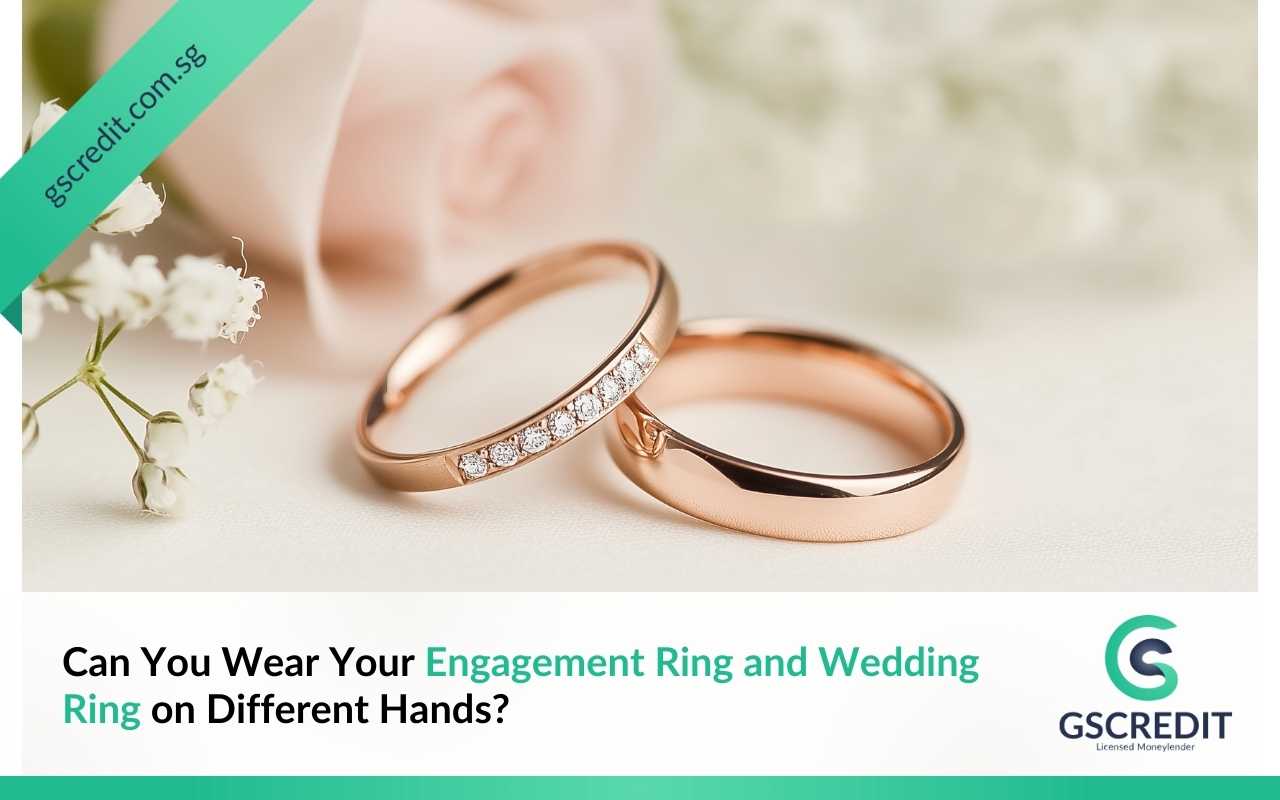
Yes. There is no legal or religious requirement in Singapore dictating ring placement.
Common modern variations include:
- Engagement ring on right hand, wedding band on left
- Wedding band only for daily wear
- Alternating rings depending on occasion
If you are left-handed, you might prefer wearing your rings on your right hand to minimise wear and tear.
Ultimately, the best wedding ring finger is the one that works for your lifestyle.
Practical Tips Before Deciding
When choosing how to wear your rings, consider:
- Dominant hand: Reduces scratches and long-term damage
- Ring design: Some settings are not stack-friendly
- Occupation: Healthcare and manual work may require removal
- Cultural expectations: Important for family ceremonies
A simple trial period, wearing rings on different hands for a few weeks, often clarifies what feels most natural.
FAQs: Wedding Ring Finger Explained
Which finger is the wedding ring finger in Singapore?
The wedding ring finger in Singapore is typically the fourth finger of the left hand, following Western tradition. However, cultural variations exist.
Do you wear your engagement ring on the same finger as your wedding ring?
Traditionally, yes. Both are worn on the fourth finger of the left hand, stacked with the wedding band closer to the palm.
Why do some cultures wear wedding rings on the right hand?
In cultures such as Indian, German and Russian traditions, the right hand is considered more auspicious or symbolically significant.
Can I switch my wedding ring to my right hand?
Yes. Ring placement is a personal choice. Many couples adjust based on comfort, lifestyle or cultural blending.
What do modern couples in Singapore prefer?
Most modern Singaporean couples follow the Western custom of wearing rings on the left-hand ring finger, but personalisation is increasingly common.
Final Thoughts: Tradition, Meaning and Your Choice
The symbolism behind the wedding ring finger is powerful, centuries of history, cultural identity and romantic belief wrapped around a simple band of metal.
Yet in modern Singapore, tradition coexists with individuality. Whether you choose the left hand, right hand, stacked rings or separate placement, what truly matters is the meaning behind the ring, not the finger itself.
If you are planning your wedding and reviewing your overall budget, you may explore suitable financing options and submit your application through our website when you are ready.