The ABCs of Loans: What Every First-Time Borrower Needs to Know?
October 15, 2025

Key Takeaways
- This first-time borrower guide explains how to borrow safely under Singapore’s regulated moneylending laws, protecting you from predatory practices.
- Licensed moneylenders must follow strict caps: 4% monthly interest, 10% admin fees, and total charges not exceeding the original loan amount.
- First-time borrowers in Singapore can borrow up to S$3,000 if earning below S$20,000 annually, or up to six times their monthly income above that threshold.
- Always verify a lender’s licence through the Ministry of Law’s Registry to avoid illegal lenders that often use threats and charge excessive interest.
- Never share your NRIC, SingPass, or sign blank contracts, these are red flags of unlicensed or abusive moneylenders.
- Compare interest rates, repayment terms, and admin fees before committing to any loan to ensure affordability and transparency.
- Keep all loan-related documents, contracts, receipts, and statements to safeguard your rights and simplify dispute resolution if needed.
- Consider alternatives like government assistance, budgeting, or bank loans before turning to moneylenders for short-term financial needs.
It’s not uncommon to need a little financial boost every now and then, whether to cover medical bills, pay for education, or tide over a temporary cash crunch. Borrowing can be a smart financial move if done responsibly. But without understanding your rights and obligations, it can also become stressful.
This first-time borrower guide explains how loans work, what to watch out for, and how to borrow safely under Singapore’s regulated moneylending framework.
Table of Contents
Understanding Loans in Singapore
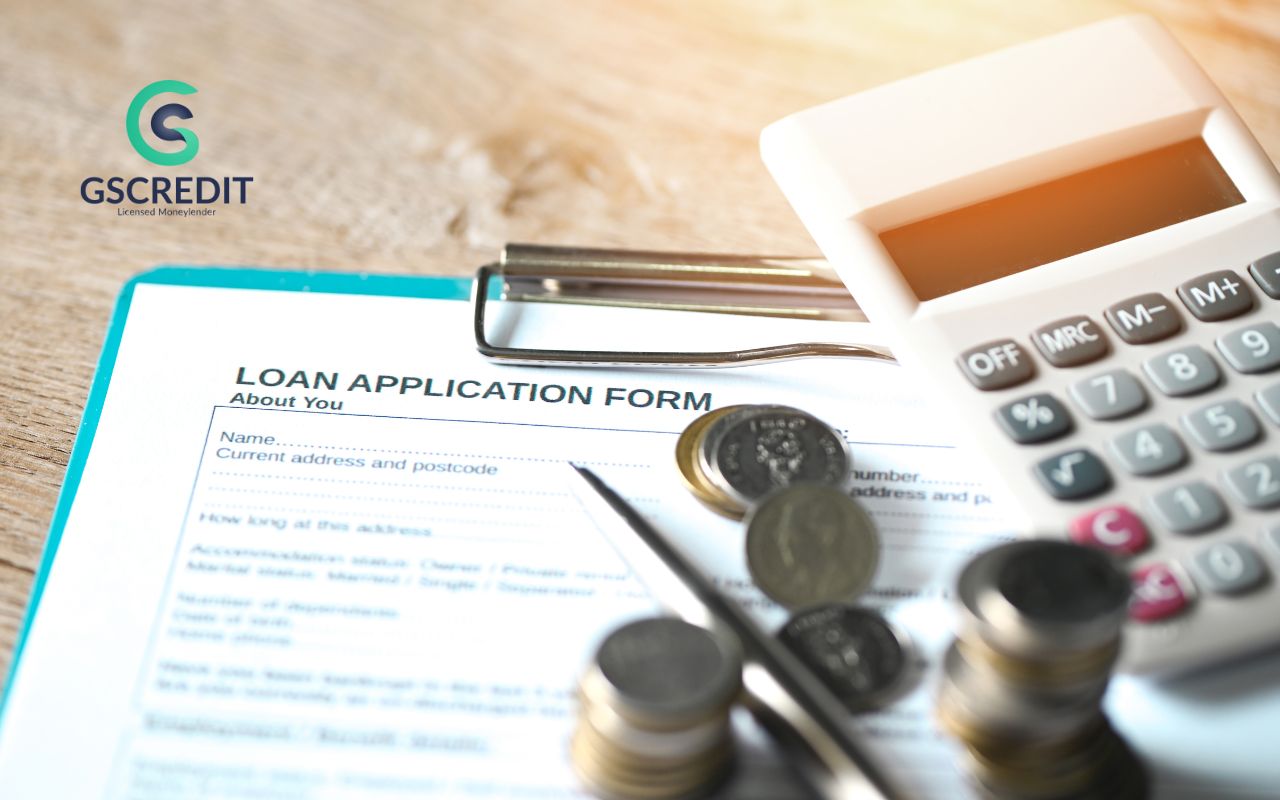
A loan is essentially borrowed money you agree to repay, typically with interest. It gives you access to funds now, with repayment spread over time.
Here are the main types of loans available locally:
1. Bank Loans
Banks offer personal, home, and education loans with competitive interest rates. However, they usually require good credit scores, stable income, and detailed documentation. Approval also tends to take longer.
2. Licensed Moneylender Loans
Licensed moneylenders offer quicker approvals and simpler requirements. These loans are tightly regulated by the Moneylenders Act, protecting borrowers from unfair practices. There are clear caps on interest rates (4% per month), admin fees (10%), and borrowing limits, ensuring fairness and transparency.
3. Government Assistance Schemes
For education, housing, or small business support, consider government schemes first. These often come with lower interest and longer repayment periods.
Licensed vs. Unlicensed Moneylenders
Knowing the difference between legal and illegal lenders could save you serious trouble later.
Looking for Reliable Financial Solutions?
Fill in the form and our team will respond as soon as possible.
Licensed Moneylenders
- Are officially registered under the Registry of Moneylenders (MinLaw).
- Can advertise only through approved channels, their own website, business directories, or at their premises.
- Must explain loan terms clearly and issue a written contract in a language you understand.
Licensed moneylenders are also required to issue receipts for payments and provide statements twice a year. Always keep these documents as proof.
Unlicensed (Illegal) Moneylenders
Unlicensed moneylenders, commonly known as Ah Longs, often operate through SMS, WhatsApp, or social media. They may promise quick cash, but their practices are illegal and often abusive.
These lenders charge exorbitant interest, use threats, and may harass borrowers’ families or employers. Never engage with them.
To verify if a lender is legitimate, check MinLaw’s official Registry of Moneylenders or call 1800-2255-529. Any lender not listed there is unlicensed, no exceptions.
How Much Can You Borrow as a First-Time Borrower
The Ministry of Law limits how much individuals can borrow across all licensed moneylenders, based on annual income:
| Borrower Type | Annual Income | Maximum Unsecured Loan |
|---|---|---|
| Singapore Citizens / PRs | Below S$10,000 | S$3,000 |
| Singapore Citizens / PRs | S$10,000–S$20,000 | S$3,000 |
| Foreign Residents | Below S$10,000 | S$500 |
| Foreign Residents | S$10,000–S$20,000 | S$3,000 |
| Any Borrower | S$20,000 and above | Up to 6× monthly income |
Note: Secured loans (e.g. backed by property) are not subject to these limits.
While these caps protect borrowers, it’s wise to borrow less than the maximum allowed. Always assess your monthly income and expenses, loans should never stretch your finances thin.
Interest Rates and Fees You Should Know
Under the Moneylenders Rules (amended 2015), all licensed moneylenders must follow these limits:
- Maximum interest rate: 4% per month
- Late interest: Up to 4% per month, applied only to overdue amounts
- Administrative fee: Capped at 10% of the principal loan
- Late fee: Up to S$60 per month
- Legal fees: Only if ordered by the court
Importantly, the total cost of borrowing, including all fees, late interest, and admin charges, cannot exceed the loan principal. For example, if you borrow S$5,000, your total cost (interest + fees) can never exceed S$5,000 beyond what you’ve already repaid.
Need Fast Approval? Consider GS Credit!
If you’re looking for a trusted, licensed moneylender with clear terms and quick approvals, GS Credit is here to help. Whether for emergencies, education, or personal expenses, GS Credit provides customised loan options, affordable repayment plans, and transparent terms that make borrowing simple. Apply online today and get the funds you need, responsibly.
Steps to Getting Your First Loan

Borrowing doesn’t have to be complicated. Here’s a simple, step-by-step guide:
1. Assess Your Needs
Determine exactly how much you need and ensure you can afford the repayments without affecting essentials like rent or food.
2. Compare Options
Review offers from both banks and licensed moneylenders. Compare interest rates, fees, and repayment flexibility, not just speed.
3. Verify the Licence
Always confirm your lender is on the official MinLaw Registry of Moneylenders. Avoid any lender who approaches you through SMS or social media.
4. Read Before Signing
Ensure the loan contract clearly states the interest rate, repayment schedule, and fees. It must be explained to you in a language you understand.
5. Keep All Records
Retain every contract, statement, and receipt. Licensed moneylenders must provide receipts and statements of account twice a year (January and July).
Red Flags and Borrowing Safely
Be alert for suspicious practices. Avoid lenders who:
- Ask you to sign blank or incomplete contracts
- Retain your NRIC or work pass
- Request Singpass or internet banking credentials
- Approve loans over phone or SMS without verifying documents
- Use abusive or threatening behaviour
Such actions violate MinLaw’s regulations. If you encounter them, report the lender immediately to the Registry of Moneylenders (1800-2255-529).
Tips for First-Time Borrowers
Borrowing for the first time can be straightforward if you approach it with the right mindset. Here’s how to stay on track.
Borrow Only What You Need:
Take only what’s necessary. Smaller loans are easier to manage and cheaper to repay.
Repay on Time:
Late payments mean extra charges, up to 4% interest and S$60 in late fees monthly. Automate payments or set reminders.
Compare Before You Commit:
Check a few licensed moneylenders before signing. Compare not only rates but also repayment terms, admin fees, and early repayment options.
Keep All Documentation:
Hold on to your contract, receipts, and statements. They protect you if disputes arise.
Budget Around Your Loan:
Plan your expenses before borrowing. Ensure your loan instalments fit comfortably within your monthly budget.
Seek Help Early:
If repayment becomes difficult, contact your lender or credit counselling agencies such as Credit Counselling Singapore or Blessed Grace Social Services for guidance.
Alternatives to Borrowing
Before applying for a loan, explore other ways to improve your financial situation.
Bank Personal Loans:
If you have a good credit record, bank loans usually offer lower interest than moneylenders.
Government and Community Schemes:
For education, housing, or small business needs, government-backed programmes often come with better terms.
Financial Assistance Agencies:
Non-profits like One Hope Centre and Silver Lining Community Services can help manage debt stress or budgeting issues.
Budget Adjustments:
Sometimes, tightening your spending or delaying non-essential purchases can reduce the need for new debt altogether.
Borrowing should always be your last resort, not your first response.
Conclusion
Taking your first loan can be empowering when done wisely. The key is to understand your obligations, verify your lender, and borrow within your means. Loans aren’t a quick fix, they’re a financial tool. Handle them well, and they can help you build credit and stability for the long term.
Borrow Smart with GS Credit
Taking your first loan? Make it a safe one. Compare licensed lenders, read your contract carefully, and ensure the repayments fit your budget. If you’re ready, GS Credit offers transparent, flexible personal loans that make borrowing simple and secure.
✅ No hidden fees
✅ Fast approval
✅ Friendly, licensed service